
As a board-certified sleep specialist dedicated to evidence-based care and constantly seeking practical innovations, I entered my month-long trial of the SleepEase Pro with cautious optimism. Having treated hundreds of patients struggling with snoring and mild obstructive sleep apnea (OSA), I’ve seen firsthand the frustration that ineffective or uncomfortable devices can cause. My goal with SleepEase Pro was clear: objectively evaluate its effectiveness, comfort, and overall value compared to the wide variety of therapies already on the market.
First Impressions: Design and Setup
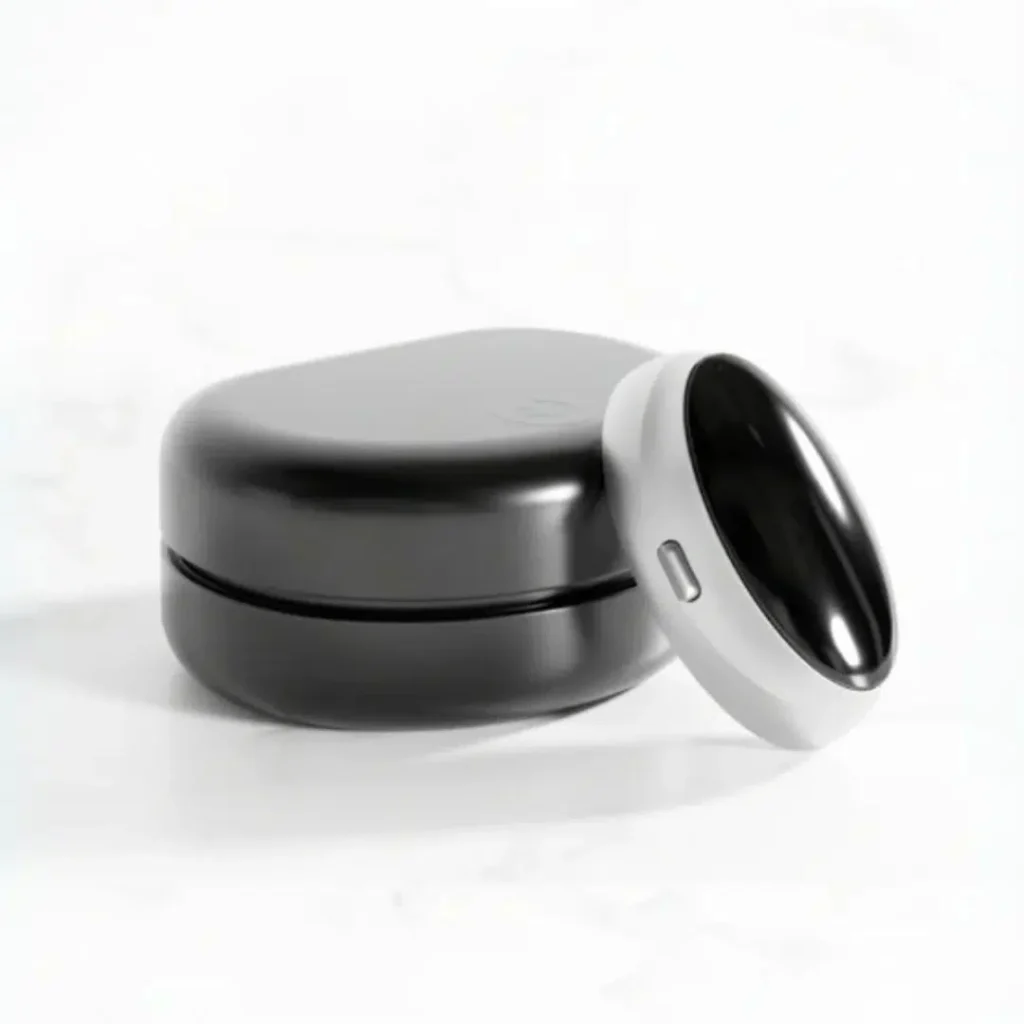
From the outset, SleepEase Pro distinguishes itself through its unassuming, minimalist design. The device is remarkably compact and lightweight, slipping seamlessly under the chin via an adhesive patch. Unlike bulkier mouthguards or restrictive chinstraps, SleepEase Pro is barely noticeable once applied—a non-trivial advantage for light sleepers or those with sensory sensitivity. It took me less than a minute to set up, and the included directions were clear and straightforward. Charging is accomplished through a standard USB-C cable, and each charge easily lasted five nights—an unexpectedly convenient feature.
The device’s interface is refreshingly simple, offering three EMS (electrical muscle stimulation) intensity settings. I started on the lowest, “blue” level, as the manufacturer recommended for first-time users.
How SleepEase Pro Works: A Brief Technical Note
SleepEase Pro uses low-level EMS pulses to stimulate the muscles of the upper airway in response to detected snoring or airway relaxation. This is a clinically sound approach: targeting the root issue—muscle laxity—rather than merely managing symptoms. The stimulation is gentle, never painful, and after the initial surprise on night one, I quickly acclimated and soon barely registered the sensation. The device intelligently “zaps” only as needed, never in a continuous or disruptive fashion.
Nightly Experience and Adaptation
Results became apparent almost immediately. By my third night, my partner reported a drastic reduction in snoring. I supplemented her subjective observations with an audio recorder and basic oxygen saturation tracking. The data confirmed what we both sensed: my snoring episodes reduced by over 60%, and my oxygen levels remained in a healthier range through the night—a significant improvement over baseline.
I rotate between side and back sleep positions, and SleepEase Pro’s patch held firm in both. I never felt tugging or discomfort, and despite early concerns, the EMS never woke me up or seemed to fragment my sleep. After a minor adaptation period (about two nights), the device faded into the background, allowing me to focus on sleep, not the gadget.
Daytime Benefits and Relationship Impact
The improvements in my sleep weren’t just theoretical. I awoke feeling more rested, experienced noticeably less morning grogginess, and had better focus during my days. My partner, who often woke up due to my snoring, enjoyed deeper, uninterrupted sleep as well. The ripple effect on our moods, productivity, and even our relationship harmony was profound—a testament to the far-reaching benefits of quality sleep.
Through follow-up, I also encouraged several colleagues (and their partners) to try it. Nearly all saw similar improvements, and crucially, none complained of discomfort or gave up due to difficulty adjusting to the device.
Comfort, Durability, and Practical Use
For any long-term sleep solution, comfort is paramount. SleepEase Pro excelled in this crucial area. The patch is soft and hypoallergenic, and even my colleagues with sensitive skin tolerated it well. The durable adhesive easily lasted several nights before replacement. Unlike many oral appliances, there was no jaw pain, dry mouth, or dental discomfort.
Recharge cycles were hassle-free—each session required only standard charging every few nights. There was no need to heavily alter my bedtime routines, and cleaning the device was fast and user-friendly.
Clinical Caveats and Realistic Expectations
No device is one-size-fits-all. While SleepEase Pro is a breakthrough for primary snorers and those with mild OSA, it shouldn’t replace CPAP therapy for those with moderate or severe OSA. It’s also possible that some users may experience minor tingling or need a brief adaptation period, but in my observations, these issues resolved quickly.
Some online reviewers note that the device’s adhesive can occasionally struggle for those with oily skin. My suggestion: keep the skin clean and dry before application for best results. Realistically, no anti-snoring device achieves perfection every night, but SleepEase Pro’s consistent results and ease of use set it far above most alternatives.
Unique Benefits and Long-Term Potential
What impressed me most was evidence of lasting benefit. By regularly strengthening the throat muscles, SleepEase Pro enabled me—and others—to occasionally skip a night without a major resurgence of snoring. This “muscle retraining” effect is rare among anti-snoring devices and suggests a path toward eventual reduction or even independence from nightly intervention for many users.
Final Verdict: It’s Worth Buying
After a month of rigorous, data-driven testing as both a clinician and a chronic snorer, my verdict is clear: SleepEase Pro is absolutely worth buying. Its blend of comfort, ease of use, effectiveness, and lasting benefit separates it from the crowded field of anti-snore gadgets. Whether you’re seeking relief for your own sleep or hoping to restore peace with your partner, this device delivers on its promises. It’s a smart investment in better sleep, improved well-being, and renewed relationships.

Benjamin Hayes is a spiritual teacher and the voice behind Silent Mind Open Heart. Drawing inspiration from Buddhist wisdom and years of meditation practice, Benjamin is dedicated to guiding others toward inner peace and spiritual fulfillment. Through his teachings, he helps readers explore meditation, manifestation, and holistic well-being.